Mindful Clarity Printable Journal: Mindfulness & Gratitude
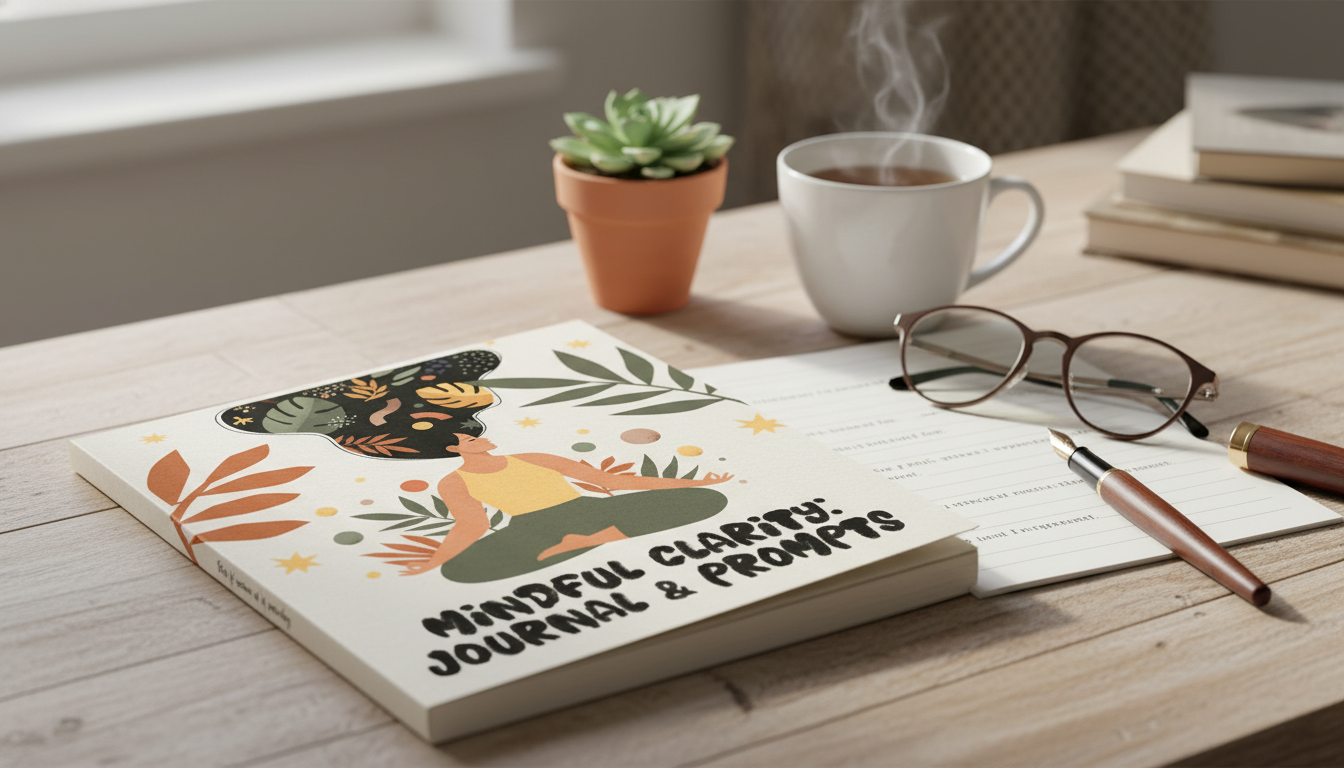
Mindful Clarity: A Printable Journal for Daily Mindfulness, Gratitude, and Reflective Quotes
Mindful Clarity is designed for short, repeatable daily writing moments that support steadier focus, calmer emotions, and a more grounded perspective. With mindfulness check-ins, gratitude exercises, and reflective quotes, the pages make it easier to notice patterns, name what matters, and return to the present—whether used first thing in the morning, during a midday reset, or as an evening wind-down.
What This Printable Journal Helps With
- Turning scattered thoughts into clear, written observations
- Building a consistent mindfulness routine without long sessions
- Shifting attention toward what is going well through structured gratitude
- Reducing mental clutter by capturing worries and next steps on paper
- Strengthening self-awareness with gentle reflection rather than self-criticism
Mindfulness and gratitude are widely studied tools for supporting well-being. If you like digging into the “why,” you can explore accessible summaries from the American Psychological Association on gratitude and safety/effectiveness guidance from the National Center for Complementary and Integrative Health (NCCIH).
What’s Inside Mindful Clarity
- Daily mindfulness prompts that encourage noticing body sensations, thoughts, and emotions
- Gratitude exercises that go beyond listing items by adding context and meaning
- Reflective quotes used as short “pause points” to guide writing and perspective shifts
- A flexible format suitable for printing and binding, or using single sheets as needed
- Simple structure that works for beginners while still feeling useful for experienced journalers
Featured printable journal
If you want a ready-to-print structure you can start today, Mindful Clarity: Journal & Prompts (Printable) combines check-ins, gratitude, and quote-based reflection in a format that stays simple enough to repeat.
A Simple 10-Minute Daily Flow
Consistency often comes from making the routine small. This 10-minute flow is intentionally light—more like brushing your teeth than “doing a big wellness project.”
- Minute 1: Arrive—take a few slow breaths and write one sentence about the present moment
- Minutes 2–4: Mindfulness check-in—note what is happening in the body, mind, and mood
- Minutes 5–7: Gratitude—choose one specific moment or person and describe why it matters
- Minutes 8–9: Reflection—use the quote as a lens; write what it brings up without forcing conclusions
- Minute 10: Close—write one small supportive action for the next few hours (drink water, take a walk, send a message, clear a surface)
On days when your brain wants to “solve everything,” that final supportive action line can prevent the entry from turning into rumination. It gently shifts you from analysis to care.
Choosing the Right Page for the Day
- For a busy day: pick the shortest check-in and write in bullet points
- For an anxious day: focus on sensory details (sounds, textures, temperature) to ground attention
- For a low-energy day: use gratitude prompts that emphasize support, rest, and small wins
- For a stuck day: use reflective quotes to explore values and what is truly controllable
- For a good day: capture what worked so it can be repeated intentionally
Quick Match Guide: Mood to Journal Focus
| If the day feels like… | Try this focus | A helpful closing line |
|---|---|---|
| Rushed or overloaded | 3-sentence mindfulness recap + 1 priority | “The next right step is…” |
| Anxious or scattered | Body scan notes + sensory grounding | “Right now, I am safe enough to…” |
| Heavy or discouraged | Compassionate gratitude (support received, strengths shown) | “Today counts because…” |
| Stuck or uncertain | Values-based reflection from the quote | “What matters most is…” |
| Steady or hopeful | Capture routines and conditions that helped | “I want to remember…” |
How to Print and Use It Comfortably
- Print a week at a time to keep the routine light and avoid overwhelm
- Use a clipboard or binder for single pages; add dividers for mindfulness, gratitude, and reflections
- Write with the same pen each day to reduce friction and decision fatigue
- Keep pages in one place (nightstand, desk tray, or near the kettle) to anchor the habit
- If privacy is a concern, write in shorthand or focus on observations rather than details
A small comfort upgrade also helps: choose a writing spot where your shoulders can drop. If you tend to hunch, prop the page on a book or clipboard so your neck isn’t doing extra work.
Making It Sustainable When Life Gets Messy
- Aim for consistency, not perfection—skipping days is normal; restarting is the skill
- Use a “minimum version” on hard days: one breath + one line of gratitude
- Avoid turning journaling into performance; honest, simple notes are enough
- Review once a week and highlight repeating themes (stressors, supports, helpful habits)
- Pair journaling with a calming cue: tea, low light, a timer, or a short stretch
When Extra Support Helps
Pair a journal wind-down with guided audio
If evenings tend to be the hardest time to “turn off,” pairing journaling with a simple listening routine can help. Sleep Reset: Guided Audio Course for Restful Nights is a structured option for building a calmer pre-sleep rhythm after you’ve gotten thoughts onto paper.
FAQ
How long should a daily entry be?
Plan for 5–10 minutes most days. On busy days, 2–3 sentences (or quick bullet points) is enough to keep the habit intact, and you can go longer when time and energy allow.
Can the pages be repeated, or is each day meant to be unique?
The pages can absolutely be repeated, and repeating them can make patterns easier to notice over time. Reuse favorite layouts and compare how your body, mood, and gratitude themes shift from week to week.
Is this better for mornings or evenings?
Morning journaling works well for intention-setting and choosing a steady tone for the day, while evening journaling is often better for decompression and closure. Try one week in the morning and one week at night, then stick with what feels most natural.











Leave a comment